

If you spend several hours a week gaming, you already have skills that other people will pay for fast reflexes, deep knowledge of specific titles, patience for repetitive practice, and comfort with tech most people avoid. Side hustles for players take those exact skills and turn them into a second income stream, without asking you to quit gaming or pretend to be someone you’re not on camera.
This isn’t about promising you’ll go pro or get sponsored. Most players who earn extra money from gaming do it through coaching, content, testing, or selling, quieter work that fits around a day job or classes. Below is a practical rundown of the ideas that actually work, what they pay, what they cost to start, and who each one fits.
Table of Contents
Quick Answer: Best Side Hustles for Players Right Now
For most players, the fastest paths to real money are:
- Coaching or boosting other players in a game you’re highly ranked in
- Game testing for studios and QA agencies
- Content creation (guides, clips, walkthroughs) rather than full-time streaming
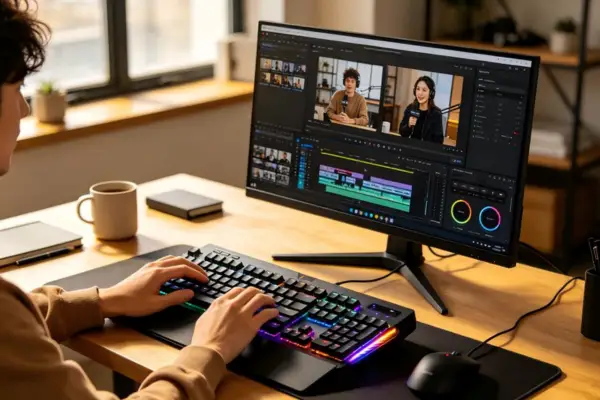
- Reselling accounts, items, or hardware through marketplaces built for gamers
- Community moderation for Discord servers and streamer channels
Each of these can realistically bring in anywhere from $50 to a few hundred dollars a month for a few hours a week, with coaching and testing usually paying the most per hour once you’re established.
Quick Comparison: Top Side Hustles for Players
| Idea | Startup Cost | Time per Week | Pay Range |
| Game coaching | Low | 3–10 hrs | $15–$100+/hr |
| Game testing | None | 10–20 hrs | $12–$25/hr |
| Freelance writing | None | Project-based | $20–$150+/article |
| Clip editing | Low | 2–8 hrs | $10–$50/clip set |
| Community moderation | None | 2–10 hrs | $50–$300/month |
| Streaming | Low | 5–15 hrs | $0–a few hundred/month early on |
Use this table as a starting filter: if you want cash sooner, testing and coaching sit near the top; if you’re fine with a slower ramp-up, streaming and newsletters can grow into more over time.
Why Players Make Good Side Hustlers
Before getting into the list, it helps to know what makes this audience different from the average side-hustle seeker. Players already have:
- Deep product knowledge. You know mechanics, patches, metas, and community quirks that a generalist can’t fake.
- A built-in audience. Gaming communities are large, active, and used to paying for coaching, boosts, and cosmetics.
- Tolerance for repetition. Grinding a rank or a quest line teaches patience that translates directly into freelance work like testing or moderation.
- Comfort with the tools. Discord, OBS, Twitch, and marketplace apps aren’t intimidating to someone who already games seriously.
That combination is exactly why side hustles for players tend to pay off faster than generic gig work — you’re not starting from zero, you’re monetizing time you were already spending.
How to Pick the Right One for You
Not every player should chase the same hustle. Before picking from the list below, it helps to ask a few honest questions:
- How much free time do I actually have each week? Coaching and testing can fit into two or three focused hours. Streaming and newsletters need steady weekly effort for months before they pay off.
- Do I want to be on camera, or would I rather stay behind the scenes? Writing, editing, testing, and design work all let you skip the spotlight entirely.
- Am I highly ranked in a specific game, or more of a generalist? High rank opens the door to coaching and boosting. Broad knowledge across several titles works better for writing, testing, and content.
- Can I handle repetitive, detail-heavy work? Testing and moderation both depend on it. If that sounds tedious rather than satisfying, lean toward coaching or content instead.
Once you have honest answers to those, the list below is easier to filter down to two or three realistic options instead of all fifteen.
15 Side Hustles for Players, Ranked by How Fast You Can Start
1. Game Coaching
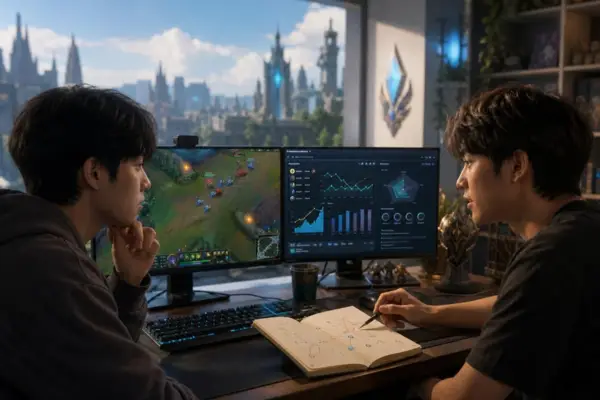
If you’re ranked in the top tiers of a competitive title — League of Legends, Valorant, Rocket League, CS2 — other players will pay to learn from you directly.
- Startup cost: Free to low (a microphone helps)
- Skills needed: High rank, ability to explain mechanics clearly
- Time required: 1–2 hours per session
- Earning potential: $15–$100+ per hour depending on the game and your rank
- Where to start: Platforms built specifically for this, plus your own Discord or social following
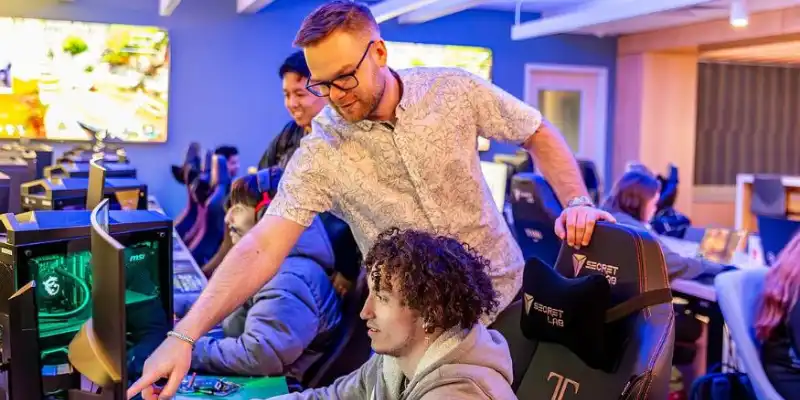
Coaching is one of the highest-paying entries on this list because you’re selling expertise, not just time. The catch is that you need to actually be good — this isn’t a hustle you can fake your way into.
2. Game Boosting
Boosting means playing on someone else’s account (or alongside them) to help them reach a higher rank. It’s controversial in some competitive communities and against the terms of service of several games, so check the rules of your specific title before taking this on.
- Startup cost: None
- Skills needed: Strong mechanical skill, high rank
- Time required: Varies by client goal
- Earning potential: $10–$200 per hour depending on rank gap and game
Because of the account-sharing risk and rule violations in some games, this is one of the riskier side hustles for players on this list. Coaching is usually the safer, more sustainable version of the same skill set.
3. Game Testing / QA
Studios and outsourced QA agencies hire testers to find bugs before a game ships. It’s less glamorous than it sounds — a lot of it is repetitive, methodical checking — but it pays reliably and doesn’t require a following.
- Startup cost: None
- Skills needed: Attention to detail, ability to write clear bug reports
- Time required: Contract-based, often 10–20 hours a week
- Earning potential: $12–$25 per hour for entry-level contract testing
This is a good entry point if you want steady, low-drama income rather than something that depends on an audience.
4. Selling In-Game Items and Accounts
Marketplaces exist specifically for buying and selling skins, rare items, and leveled accounts. Some games explicitly prohibit this, so read the terms of service first — getting an account banned wipes out your inventory along with it.
- Startup cost: Whatever you spend acquiring items to resell
- Skills needed: Market knowledge, patience for price fluctuations
- Time required: A few hours a week for listing and trading
- Earning potential: Highly variable — from a few dollars to hundreds per month for active traders
5. Streaming on Twitch or YouTube
Streaming gets the most attention, but it’s also the slowest to pay off. Revenue comes from subscriptions, donations, and ad share, and none of that arrives until you’ve built an audience.
- Startup cost: Low (a decent mic and stable internet)
- Skills needed: On-camera comfort, consistency, some entertainment value beyond gameplay
- Time required: Several hours a week, ongoing
- Earning potential: $0 for most new streamers; a few hundred a month once you have a small but loyal audience
If being on camera doesn’t appeal to you, there are quieter side hustles built for people who don’t want to be on camera that fit gamers just as well without the pressure to perform.
6. Creating Written Guides and Walkthroughs
Not every content format requires video. Written guides — build orders, boss strategies, patch breakdowns — can run on a blog or a gaming wiki and earn through ads or affiliate links.
- Startup cost: Low (hosting, if self-published)
- Skills needed: Clear writing, game knowledge
- Time required: A few hours per guide
- Earning potential: Small and slow at first, growing with traffic over time
This overlaps with blogging about a niche you already know well, and it’s a natural fit if you’d rather write than talk on a mic.
7. Freelance Writing About Games
Gaming sites, wikis, and outlets regularly hire freelancers to cover patch notes, reviews, and guides. If you already write clearly, this is a way to get paid per piece instead of waiting on ad revenue.
- Startup cost: None
- Skills needed: Writing ability, familiarity with the games you cover
- Time required: Project-based
- Earning potential: $20–$150+ per article depending on outlet and length
For anyone building a portfolio, freelance writing that pays per project is a broader path worth exploring even outside gaming topics.
8. Editing Clips and Highlight Reels
Streamers and casual players alike want short, punchy clips for TikTok and YouTube Shorts, and many don’t have time to edit their own footage.
- Startup cost: Free editing software is enough to start
- Skills needed: Basic video editing, sense of pacing and timing
- Time required: 30 minutes to a few hours per clip batch
- Earning potential: $10–$50 per clip set, more for ongoing client work
9. Community Moderation
Discord servers built around games and streamers need people to enforce rules, answer questions, and keep chat usable. Some pay a flat rate, others offer server perks or a small stipend.
- Startup cost: None
- Skills needed: Patience, familiarity with the community, conflict de-escalation
- Time required: Flexible, often just a few hours a week
- Earning potential: Usually modest — $50–$300 a month for active mods on paid servers
This is close cousin work to virtual assistant work for people who’d rather type than talk, and the two skill sets transfer well between each other.
10. Playtesting for Indie Developers
Smaller studios often can’t afford full QA teams and instead recruit players directly — sometimes through paid playtests, sometimes through early-access feedback programs with small stipends.
- Startup cost: None
- Skills needed: Clear feedback, willingness to play unfinished builds
- Time required: A few hours per test cycle
- Earning potential: $10–$30 per session for paid playtests; unpaid early access is common too
11. Selling Custom Peripherals or Setups
If you’re handy with hardware — building keyboards, modding controllers, customizing gaming desks — there’s a market of players willing to pay for a personalized setup rather than building one themselves.
- Startup cost: Moderate to high (parts and tools)
- Skills needed: Hardware knowledge, basic craftsmanship
- Time required: Several hours per build
- Earning potential: $50–$500+ per custom build, depending on complexity
12. Teaching Game Design or Coding
If your gaming interest extends to how games are built, tutoring aspiring developers in Unity, Unreal, or game-adjacent coding is a well-paying niche.
- Startup cost: None beyond your existing knowledge
- Skills needed: Programming or design experience, ability to teach
- Time required: 1–2 hours per session
- Earning potential: $25–$75 per hour
13. Running a Gaming-Focused Newsletter
A regular email roundup of patch notes, meta shifts, or indie releases in a specific niche can build a loyal, monetizable audience faster than a general gaming blog.
- Startup cost: Free to low (most newsletter platforms have free tiers)
- Skills needed: Writing consistency, curation instincts
- Time required: A few hours a week
- Earning potential: Slow to start; sponsorships become possible once you have a few thousand subscribers
14. Renting Out Rare or Boosted Accounts
Some players rent access to high-level accounts for others to play temporarily. This carries the same terms-of-service risk as boosting and selling accounts, and it’s worth confirming what your specific game allows before trying it.
- Startup cost: Whatever it costs to build or acquire the account
- Skills needed: Trust-building with renters, account security awareness
- Time required: Low ongoing time once set up
- Earning potential: Small recurring amounts per rental
15. Selling Digital Art or Overlays for Streamers
If you have design skills, streamers need overlays, panels, emotes, and alerts — and most would rather buy a template than build one from scratch.
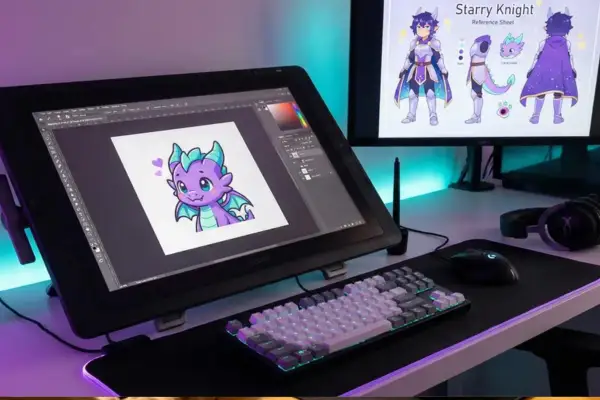
- Startup cost: Low (design software, some of it free)
- Skills needed: Graphic design
- Time required: A few hours per commission
- Earning potential: $20–$150 per commission depending on complexity
Active Income vs. Passive Income for Gaming Side Hustles
Most of the ideas above are active income, where you get paid for time or work you put in directly — coaching, testing, editing, and moderating all fall in this bucket. A smaller handful, like a written guide that keeps earning ad revenue or an evergreen newsletter with sponsors, lean toward passive income that keeps paying after the initial work is done. Realistically, side hustles for players skew active: gaming skill is a service you deliver, not an asset that runs itself.
Who Side Hustles for Players Work Best For
- Players who already rank highly or have deep knowledge of one or two specific games
- Anyone comfortable using Discord, OBS, or marketplace apps
- People who want to earn from time they were already spending gaming, rather than adding a brand-new hobby
- Anyone already looking for remote income streams they can run from a laptop, since most of these ideas need nothing more than a computer and an internet connection
Who Should Think Twice
- Anyone whose only goal is to “go pro” quickly — coaching and content both take months to build real income
- Players in games with strict rules against boosting or account trading, where the ban risk outweighs the payout
- Anyone who dislikes repetitive, detail-heavy work, since testing and moderation lean heavily on that
Common Mistakes to Avoid
- Ignoring a game’s terms of service before boosting, trading accounts, or reselling items — a ban can wipe out both your progress and your income overnight.
- Underpricing coaching or commissions just to get started, which trains clients to expect rock-bottom rates later.
- Chasing streaming first because it’s the most visible option, when quieter paths like testing or writing usually pay sooner.
- Skipping the boring parts of testing and moderation, which is exactly what clients are paying you to handle.
What to Expect Once You Start Earning
Once money starts coming in from any of these side hustles, a few practical realities apply regardless of which one you pick:
- Income will be inconsistent at first. Coaching bookings, testing contracts, and writing assignments tend to arrive in bursts rather than a steady paycheck, especially in the first few months.
- Track what you earn. Side income from coaching, testing, or freelance writing is generally taxable, and platforms may not withhold anything automatically. Keeping a simple log of payments as they come in saves a headache later.
- Rates improve with a track record. A first coaching client might pay less than an established coach with reviews and a waitlist. The same is true for freelance writing rates and clip-editing commissions — reputation raises your price ceiling over time.
- Not every idea will fit your schedule long-term. It’s normal to try coaching for a month, find it doesn’t fit your hours, and shift to testing or writing instead. Treat the list above as a menu to experiment with, not a single path you’re locked into.
None of this is meant to discourage getting started — it’s meant to set expectations so the first slow month doesn’t feel like proof that side hustles for players don’t work. Most people who stick with one idea for a few months past the slow start end up with a small but reliable stream of extra income, not a full-time replacement for their day job.
Final Takeaway
Side hustles for players work because they turn time you’re already spending into income, using skills you’ve already built. The fastest, lowest-risk starting points are coaching, testing, and freelance writing — streaming and account trading come with either a longer payoff or a real rule-violation risk. Pick one idea that matches how you already play, start small, and build from there. If you’re new to the idea of side income in general, the basic steps for starting any side hustle apply here just as much as anywhere else — and the full list of side hustle ideas on the site has more options if gaming isn’t the only interest you want to monetize.
FAQ: Side Hustles for Players
Do I need to be a top-ranked player to make money gaming?
No. Coaching benefits from high rank, but testing, writing, editing, moderation, and design work don’t require competitive skill at all — just game knowledge and reliability.
How much can side hustles for players realistically pay?
Most players earn somewhere between $50 and a few hundred dollars a month working a few hours a week. Coaching and testing tend to pay the most per hour once you have some experience.
Is streaming the best way to make money as a gamer?
It’s the most visible, but not the fastest. Most streamers earn nothing for months. Coaching, testing, and writing typically pay sooner and more reliably.
Can teens do these side hustles?
Some can. Testing, writing, and design work don’t require adult status, though payment platforms often do. There are options built specifically for teenage side hustlers if age is a factor.
Is it safe to sell or boost accounts?
Not always. Many games explicitly ban account trading and boosting, and getting caught can mean losing the account entirely. Read your game’s terms of service before committing time to this route.
Do I need expensive equipment to start?
No. Most of the side hustles for players on this list — testing, writing, moderation, coaching — need nothing beyond a computer you already own and a stable internet connection. Streaming and clip editing benefit from a better mic or webcam eventually, but neither requires one on day one.
How do I find my first client or gig?
Start where the community already gathers — Discord servers for the game you play, subreddits, and creator Discords for streamers you watch. Testing and freelance writing gigs are also posted on general freelance platforms, searchable by game title or genre.
