

Teaching is one of the most important jobs in the world. It is also one of the most underpaid. The average teacher salary in the United States sits around $66,000 per year, but in many states and districts, starting pay runs far below that. When you factor in the time teachers spend grading papers after school hours, preparing lessons on weekends, and buying classroom supplies out of their own pockets, the actual hourly rate gets even harder to justify.
That is why so many teachers are looking for side hustles that fit around their schedules and use the skills they already have. The good news is that teachers are actually exceptionally well-positioned for a wide range of side income opportunities. The ability to explain things clearly, manage groups of people, create structured content, and communicate across different learning levels are skills that have value far beyond a single classroom.
This article covers the best side hustles for teachers right now, what each one involves, how much you can realistically earn, and how to start without burning yourself out further.
Table of Contents
Why Teachers Have a Real Advantage in Side Hustles
Before getting into the specific ideas, it helps to understand why teaching skills translate so well into side income.
Teachers communicate complex ideas simply. That is one of the rarest and most valuable skills in the working world. Businesses pay significant money for people who can write clearly, train employees effectively, design understandable content, and explain processes without losing the audience. Teachers do all of these things every single day.
Teachers understand how people learn. That knowledge is directly applicable to creating online courses, tutoring, curriculum development, and educational consulting, all of which pay well and are in growing demand.
Teachers have subject matter expertise. Whether your background is in English, math, science, history, or a specialist area, you have deep knowledge that students, parents, companies, and publishers are willing to pay for access to.
And critically, teachers have summers, spring breaks, and holiday periods that create natural windows for income-building work that full-year employees simply do not have.
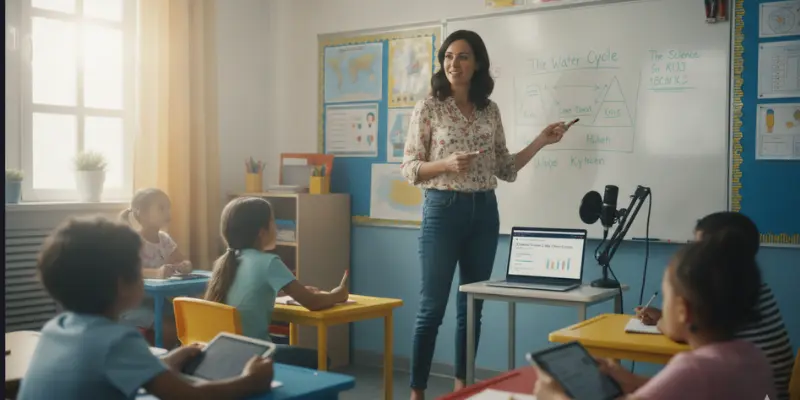
Best Side Hustles for Teachers in 2026
Private Tutoring
Tutoring is the most natural side hustle for teachers and consistently one of the best-paying. You already know the curriculum, you understand how students learn, and you have the patience and communication skills that make a great tutor. Students and parents pay $30 to $100 per hour for private tutoring depending on subject, grade level, and whether sessions are in-person or online.
Test prep tutoring commands the highest rates. Teachers who specialize in SAT, ACT, AP exam, or state standardized test preparation regularly earn $75 to $125 per session. A teacher with 5 to 10 regular tutoring students can add $1,000 to $2,500 per month to their income in part-time hours.
Platforms like Wyzant, Tutor.com, and Varsity Tutors help you find students without any marketing effort on your part. You set your subject, rate, and availability. The platform handles the matching. Once you have a few strong reviews, referrals tend to build your client list naturally from there.
Selling Lesson Plans and Educational Resources
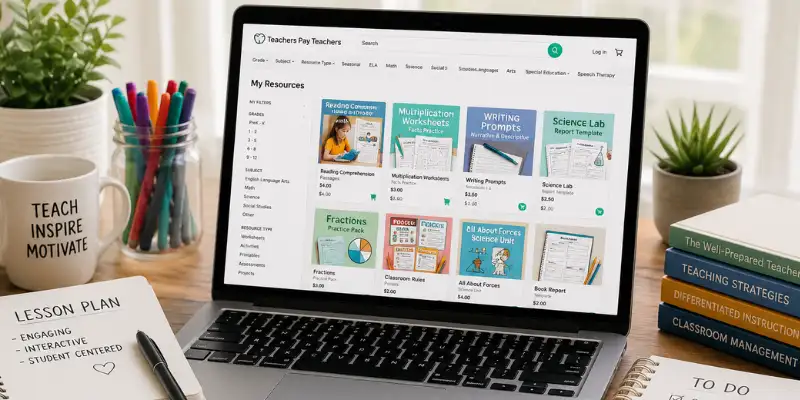
Every teacher has created lesson plans, worksheets, assessments, and classroom materials that took real time and thought to build. Most of those materials sit in a folder and never generate any income after the school year ends. Teachers Pay Teachers, Etsy, and other digital download platforms let you sell those materials to other educators who need exactly what you have already made.
This is one of the few side hustles for teachers that genuinely becomes passive over time. You create the resource once, upload it, set a price, and collect sales as other teachers find and buy it. New sellers typically earn a few dollars to a few hundred dollars per month. Established sellers with strong catalogs and good reviews report $500 to $2,000 per month or more from Teachers Pay Teachers alone.
The materials that sell best are specific, practical, and immediately usable. A well-formatted one-week math unit for a specific grade level sells better than a vague general resource. Clear preview images, detailed descriptions, and appropriate pricing are the main factors that separate listings that sell from those that do not.
If you want to understand how digital product income builds over time, this model of creating something once and earning from it repeatedly is one of the cleaner examples of genuinely passive income available to teachers.
Online Teaching and Course Creation
Teaching online has expanded dramatically over the last five years. Platforms like Outschool, Teachable, Udemy, and Skillshare let teachers create and deliver classes to students far beyond their local district. One teacher at Outschool reported earning $10,000 per month primarily from English writing classes for middle school students.
Creating an online course is more of a one-time investment than a weekly commitment. You record lessons, build materials, and publish the course. Students purchase access, and you earn each time someone enrolls without any additional teaching time on your part. Courses on teacher-specific skills like classroom management, curriculum planning, and subject-specific methodology also sell well to other educators who want professional development on their own schedule.
The combination of live online classes and pre-recorded courses gives teachers the flexibility to earn in whatever format fits their available time.
Curriculum Writing and Educational Consulting
School districts, educational publishers, curriculum companies, and edtech startups all need people who understand how teaching actually works to help them build and refine their products. Former and current classroom teachers are uniquely qualified for this work.
Curriculum writing and educational consulting pay $25 to $75 per hour for freelance work. Some curriculum development projects are contract-based and pay a flat fee of $500 to $3,000 for a complete unit or subject area. Companies like Amplify, Khan Academy, Newsela, and dozens of smaller ed-tech firms regularly hire teachers as content developers on a part-time or contract basis.
This is one of the side hustles for teachers that uses your professional skills most directly and pays you at a rate closer to what the market actually values them at, rather than the rate your district has budgeted for.
Freelance Writing for Education Publications
Teachers who enjoy writing have a natural market waiting for them. Education publications, teaching blogs, parenting websites, and school district newsletters all need content written by people who actually understand what happens in a classroom. That perspective is something no journalist or general writer can replicate without years of experience.
Education-focused writing pays $50 to $150 per article for many online publications, with rates going higher for specialized outlets. Building a small portfolio of three to five published pieces is enough to start pitching to larger platforms. Teachers who combine subject expertise with clear writing often find freelance writing that pays reliably opens doors in education media, parenting content, and even corporate training material creation.
Print-on-Demand Products
Print-on-demand is one of the most beginner-friendly side hustles for teachers because it requires no inventory, no upfront cost, and no shipping management. You upload a design to a platform like Printify or Printful, which connects to an Etsy or Shopify store. When a customer orders, the platform prints and ships the item. You earn the difference between the retail price and the production cost.
Teacher-themed merchandise has a genuine market. Funny classroom quotes, subject-specific designs, graduation gifts, and motivational posters all sell well among teachers, parents, and students. A teacher who builds a small collection of thoughtful designs can generate $200 to $800 per month passively once the store has enough products and reviews to attract consistent traffic.
Remote Tutoring and ESL Teaching
English as a Second Language teaching is one of the fastest-growing income categories for qualified teachers. Platforms like VIPKid, iTalki, Preply, and Cambly connect English-speaking teachers with students in countries including China, Japan, South Korea, Brazil, and across Europe and the Middle East.
ESL tutoring rates on these platforms typically run $15 to $25 per hour for general conversation classes and $25 to $50 per hour for structured academic English instruction. Teachers with formal ESL certification or a TEFL qualification command higher rates. The work is entirely remote, sessions happen over video, and you set your own availability.
For teachers who want remote income that works from home without a commute or fixed schedule, ESL teaching is one of the most accessible options with a large and growing client base.
Coaching and Training for Adults
Teaching skills apply directly to adult learning environments. Corporate trainers, leadership coaches, communication coaches, and professional development facilitators are all people who do what teachers do, just for a different audience and at higher hourly rates.
Experienced teachers who transition some of their skills into corporate or adult training can earn $50 to $150 per hour for workshop facilitation, employee onboarding, presentation skills coaching, or team communication training. Companies spend billions of dollars annually on employee training, and the people best equipped to deliver that training effectively are often people with classroom teaching backgrounds.
Getting started typically involves identifying a transferable skill, such as public speaking, writing, or structured learning design, and marketing it to local businesses or through platforms like LinkedIn.
Summer Side Hustles for Teachers
Summer is the most natural window for teachers to build side income. A few options that work specifically well during the longer break:
Day camps and academic enrichment programs hire teachers as instructors and administrators at $20 to $40 per hour. Summer tutoring demand is high as parents prepare students for the next grade level. College application consulting and essay coaching are in strong demand from families preparing for senior year. Teaching summer courses at community colleges pays $2,000 to $5,000 for a single summer course. Creating and launching a new digital product, course, or Teachers Pay Teachers catalog takes the uninterrupted time that summer provides.
Summer is also when many teachers who have college-age children notice how well-timed income options that work for students can align with a teacher’s own off-season, creating family income opportunities during the same break. Summer is also the best time to build the foundations of a side hustle that generates income year-round, because you have the time to set it up properly rather than squeezing it into evenings during the school year.
How Much Can Teachers Really Earn From Side Hustles?
The honest answer is: it depends on the hustle and the hours invested. Here are realistic monthly income ranges for the most common side hustles for teachers:
Private tutoring with 5 to 8 students: $800 to $2,000 per month Teachers Pay Teachers with a solid catalog: $200 to $1,500 per month Online course income once established: $300 to $3,000 per month Freelance curriculum writing: $500 to $2,000 per month Print-on-demand with 50 or more products: $200 to $800 per month ESL teaching online at 10 hours per week: $200 to $500 per month
Most teachers who commit to one or two side hustles consistently report earning an extra $500 to $1,500 per month within three to six months of starting. That range covers most of the gap between what teaching pays and what a comfortable financial life in many cities requires.

Avoiding Burnout While Building Side Income
This is the most important thing to say about side hustles for teachers: the goal is to earn more without exhausting yourself further. Teaching is already a demanding job. Taking on more work without boundaries is a fast path to burnout.
The side hustles that work best for teachers over the long term are the ones that either align closely with what you already enjoy doing, or build passive income that requires less ongoing effort over time. Selling digital resources, building an online course, and earning from a Teachers Pay Teachers store all have the characteristic of earning while you sleep rather than requiring constant active hours.
Some of the easiest side hustles teachers can help connect motivated teens who want to earn before finishing school are tutoring and academic coaching, which teachers can help facilitate or refer within their networks. Start with one income stream. Give it three months. See how it fits into your life before adding anything else. The teachers who build sustainable extra income are the ones who treat it as a slow build rather than a frantic sprint.
For women in education especially, the appeal of building income that works on your own terms is real and growing. The range of options women are choosing to build financial independence outside their main job includes many of the exact side hustles discussed here, and the growth in this category has been consistent year over year.
Getting Started With Side Hustles for Teachers
The easiest first step is also the one most teachers overlook. Open your existing lesson plans and teaching materials. Look at what you have already created over your teaching career. That material has real monetary value on Teachers Pay Teachers or Etsy right now, today, with no additional creation required.
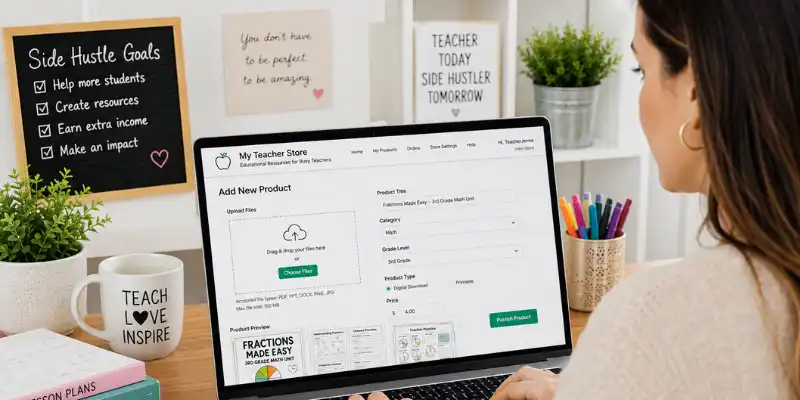
Upload three to five of your best resources this week. Price them between $3 and $10 each. Write clear titles and descriptions. Take the first step and learn from what happens. Most teachers who start this way find the process clearer and faster than they expected.
For those who want a more active income path, list yourself on Wyzant for tutoring today. Your teaching credential is more than enough to attract your first student. One tutoring session per week is not a burden. It is a start.
The people who have already built real income outside the classroom all started somewhere small and specific. The first step in building something that earns on the side is almost always smaller than it feels from the outside.
Conclusion: Teachers Deserve to Be Paid What They Are Worth
The skills that make someone a great teacher, clarity of explanation, patience with learners, ability to structure complex information, subject matter depth, are genuinely valuable in the market. The problem is not that those skills lack value. The problem is that the traditional teaching salary often does not reflect that value.
Side hustles for teachers are a way to close that gap. Tutoring, digital products, online teaching, curriculum writing, and freelance work all pay teachers closer to what their skills are actually worth in the broader economy.
You do not need to choose between being a great teacher and building financial security. Side hustles for teachers are specifically designed to work around the job you already love, not in place of it. Start with the option that fits your schedule and your skills best, give it time, and let it grow.
Frequently Asked Questions About Side Hustles for Teachers
What are the best side hustles for teachers?
Popular side hustles for teachers include private tutoring, selling lesson plans, creating online courses, curriculum writing, ESL teaching, educational consulting, print-on-demand businesses, and freelance writing.
How much can teachers earn from side hustles?
Earnings depend on the type of side hustle. Many teachers generate an additional $500 to $1,500 per month, while successful tutors and digital product creators can earn significantly more.
What is the easiest side hustle for teachers to start today?
Selling existing lesson plans and classroom resources online is one of the easiest options because it allows teachers to monetize materials they have already created.
Do teachers need special permission to have a side hustle?
Most schools allow outside employment, but teachers should review their contracts and local district policies to ensure there are no conflicts of interest.
What are good summer side hustles for teachers?
Summer opportunities include tutoring, academic camps, college application coaching, community college teaching, and building digital products that can generate year-round income.
Can teaching count as a side hustle on its own?
Yes. Many teachers earn extra income through online teaching platforms, private classes, workshops, and educational coaching outside their primary school position.
Is tutoring a good side hustle for new teachers?
Absolutely. New teachers can leverage their subject knowledge to help students improve academically while gaining additional teaching experience and income.
How do teachers avoid burnout while doing side hustles?
Focusing on scalable income streams, setting clear working hours, and choosing projects that align with existing skills can help teachers earn extra income without becoming overwhelmed.

1 Comment
Pingback: Medical Side Hustles: 16 Ideas, Honest Pros & Cons